

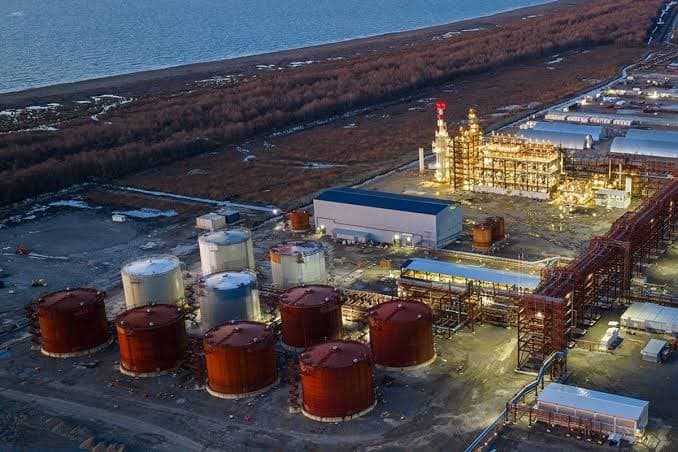

TBILISI, Georgia – The European Commission has proposed removing Georgia’s Kulevi Oil Refinery from the European Union’s sanctions list following the facility’s switch to non-Russian crude oil.
The move to delist the facility was unveiled as part of the European Commission’s latest round of measures against Russia, announced by European Commission President Ursula von der Leyen on November 23.The proposal followed reports that the operator was adjusting its crude oil supplies to comply with EU sanctions.
The EU added the Kulevi refinery of Georgia’s Black Sea Petroleum company to its list of targets in its 21st set of sanctions in July 2026, an EU document states.The company suspected the refinery was producing Russian oil.
Ultimately, the refinery would be given six months to stop purchasing supplies of Russian oil. The restrictions were supposed to take effect by January 25,2027.
Black Sea Petroleum announced that it switched to non-Russian crude oil on Aug. 23, 2026.Subsequently, the company submitted the documentation of its Libyan crude oil imports to the European Commission to verify the change in supply.
According to reports in the media, the plan from the Commission would allow the refinery to avoid the planned sanctions if the EU member states agree to reverse the listing before January 25, 2027.
This is a significant success for Georgia’s energy sector – Georgia being the home country of the Kulevi terminal in particular – which has been striving to preserve its operation under the pressure of international sanctions.
However, the proposal does not mean the oil refinery has been formally delisted from the sanctions, as it has yet to be adopted by the member states.
This case illustrates the EU’s willingness to reassess sanctions designations when companies sever Russian supply chains and verify alternative sourcing.

