

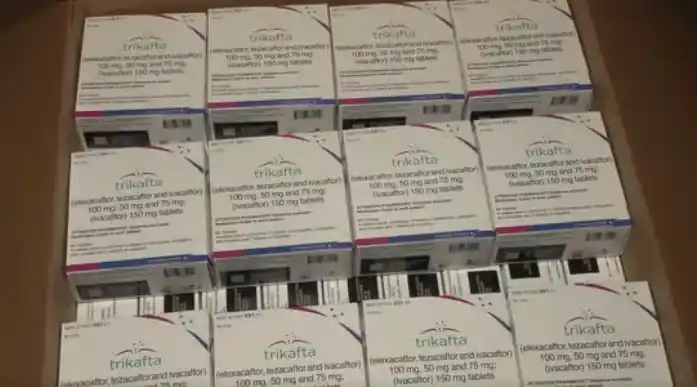

Treatment for the progressive genetic disease cystic fibrosis using the innovative and high-cost medication Trikafta has arrived in Georgia. Distribution of the drug to beneficiaries who meet the right criteria will start in the coming days.
The inclusion of Trikafta in the state program creates new treatment possibilities for individuals with cystic fibrosis. The drug significantly improves life expectancy and quality. The medication directly affects the genetic mechanisms that cause the disease, improves lung function, and reduces the risk of infection and hospitalization.
Patients have already started the necessary medical examinations before starting treatment. Beneficiaries’ health condition and readiness to start treatment are evaluated. This process serves to safely start treatment and plan medical follow-up.
Cystic Fibrosis is a progressive genetic disease that primarily damages th lungs and digestive system. It often presents with recurrent respiratory tract infections, which over time can lead to a significant deterioration of lung function. The need for permanent treatment and the limitations caused by the disease affect a person’s daily life and quality of life. This is why access to modern therapy is of special importance.
The Minister of Health personally informed people with cystic fibrosis and their family members about signing a contract with the manufacturer a month ago.
The drug is intended for people aged 2 and older whose genetic mutations are consistent with evidence approved by the FDA and the European Medicines Agency (EMA). About 110 people are registered with a cystic fibrosis diagnosis in Georgia. About 60 of them have their genetic mutations identified.
The Ministry of Health has been working actively with the medical community, people with cystic fibrosis, and their families to increase access to modern treatment. For this purpose, the Ministry was gradually expanding the list of services and medicines funded by the state program. In 2025, inhalation drugs, antibiotics, vitamins, and other medications were added to the program, and funding for inpatient services increased.

